Stereotypes should not decide who learns coding or digital safety. Adapt activities to needs and interests without turning observations into permanent labels.
Equal invitations, varied roles
Invite girls and boys into the same learning opportunities. Rotate explaining, building, design and safety-checking roles. A quiet child may prefer thinking time, while another benefits from trying an example; these observations support adaptation, not diagnosis or a fixed learner type.
Four adjustments to try
Offer spoken, written or visual instructions as appropriate, with clear text and adjustable pacing.
Break tasks into manageable steps and allow extra time or breaks without stigma.
Rotate group roles so the most confident learner does not control the device or every answer.
Ask what actually helped and assess a practical understanding, such as explaining why a verification code stays private.
Where AI can help
A teacher may use AI to draft a simpler example or exercises at different levels, then review the output. Do not claim that a tool precisely knows a child’s personality or upload sensitive records when general information would suffice. UNESCO emphasises privacy, equity and human oversight.
Observe meaningful progress
Compare progress with a clear objective and the child’s starting point, rather than gender stereotypes or classmates’ speed alone. Record helpful adjustments and share only necessary details with the teacher. This guide does not claim proven outcomes or unverified features for a particular product.
Sources and review
Sources reviewed: 26 October 2026. Interfaces and policies may change.
Official CyberSqool accounts
Instagram · Facebook · TikTok · YouTube · X
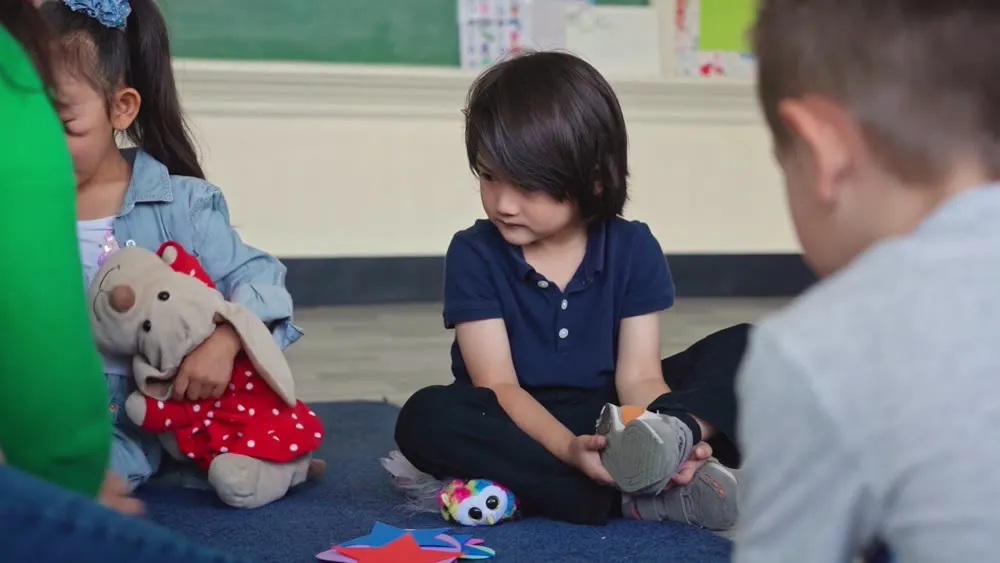
Illustrative image from the project’s visual materials; it does not depict a documented incident or victim.