Parents see one part of a child's life; teachers see another among peers. An observation becomes useful support when it is described clearly, shared through an appropriate channel and followed by a plan that protects the child's safety and privacy.
Observation is not diagnosis
Instead of “Your child is being bullied,” describe what was observed: “They stopped joining three activities this week.” Withdrawal or mood changes can have different causes. Ask what changed, listen to the child and avoid conclusions based on rumours or an isolated incident.
Make communication useful
Agree a named contact and a private school channel, not a public parents' group.
Record behaviour, timing and context, separating direct observations, reported information and interpretations.
Choose a practical first action, a review date and someone to follow up with the child.
Share only necessary information with people who need it, following the school's safeguarding process.
Why parent notification is not automatic
If notifying a particular person could increase risk, follow safeguarding procedures and consult the appropriate professional. Do not promise absolute secrecy or ask the child to retell harm to multiple adults. Seek urgent assistance for immediate danger rather than waiting for the next meeting.
How families can support the partnership
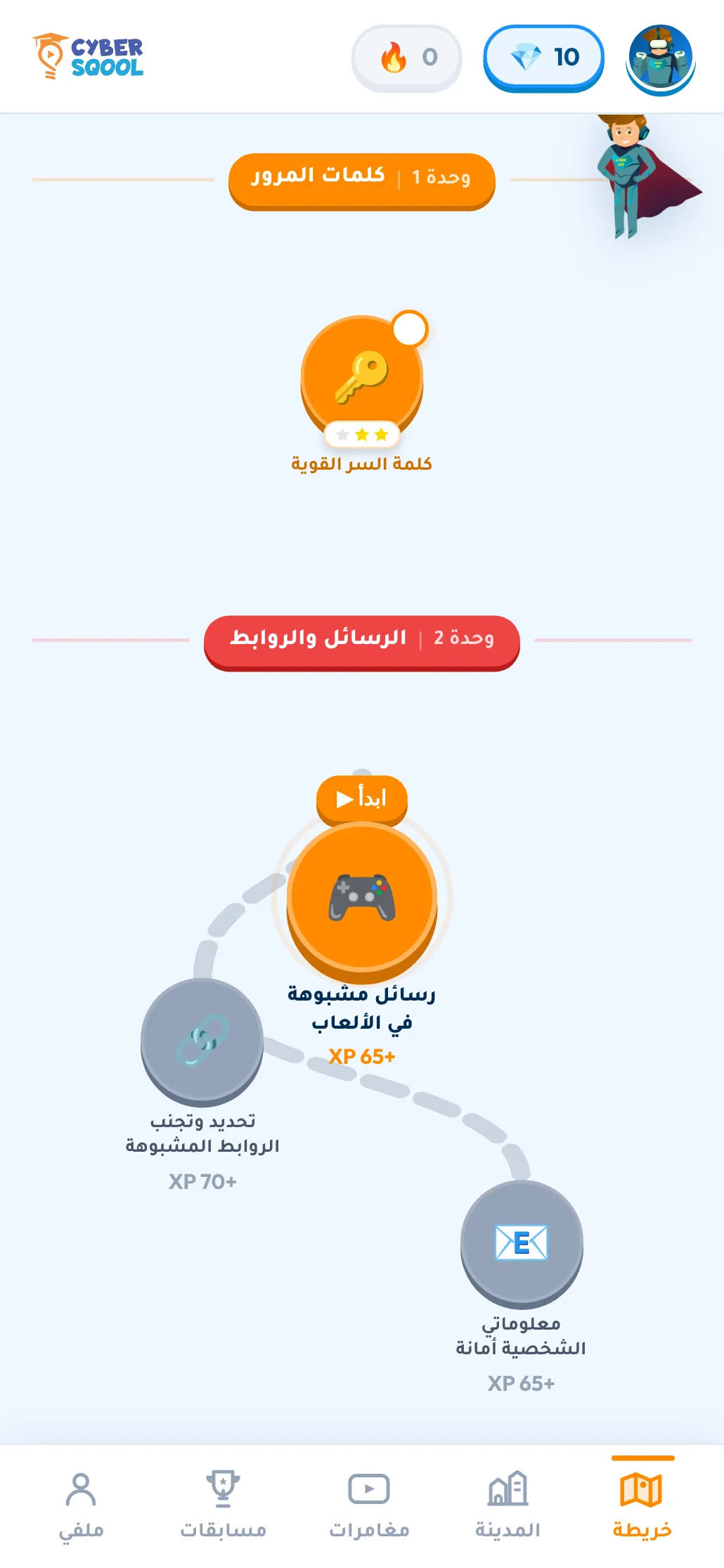
Treat contact as an opportunity to understand. Ask for specific examples and an agreed follow-up. Do not identify other children in family groups. Cyber Sqool activities can support refusal and help-seeking skills, but no programme replaces professional safeguarding responsibilities or assessment of an individual situation.
Sources and review
Sources reviewed: 26 October 2026. Interfaces and policies may change.
Official CyberSqool accounts
Instagram · Facebook · TikTok · YouTube · X
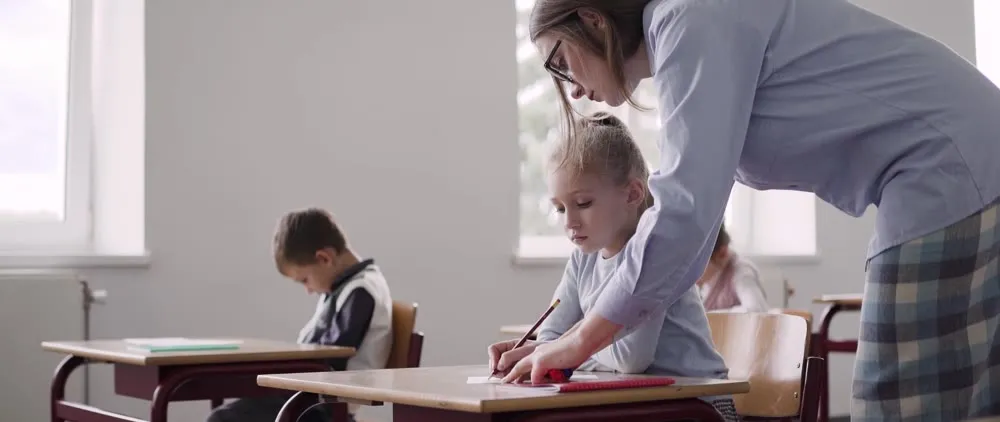
Illustrative image from the project’s visual materials; it does not depict a documented incident or victim.