An AI conversation may feel comforting and available, but the system is not a person or a replacement for a trusted adult. Understand what attracts your child, then review privacy, age rules and support together.
Understand before judging
Ask: “What do you enjoy about it? Do you know it is a program?” Curiosity, entertainment or space to talk may all play a part. Use alone does not establish neglect or a disorder. Avoid attributing human feelings or guarantees to the system.
Agree clear boundaries
Check the service's current age rules; do not enter an older age to bypass them.
Do not share identifying information, school details, passwords or private images.
Agree time that leaves room for sleep, study and offline relationships.
Bring dangerous, health-related or sexual concerns to an appropriate trusted adult rather than relying on a chatbot alone.
Policies differ between services
In October 2025, Character.AI announced a phased end to open-ended chats for under-18s, not a ban on every feature. Snapchat offers family supervision tools whose current descriptions should be checked. A control in one product does not automatically exist in another, and supervision should not be assumed to expose every message.
If they told the chatbot rather than you
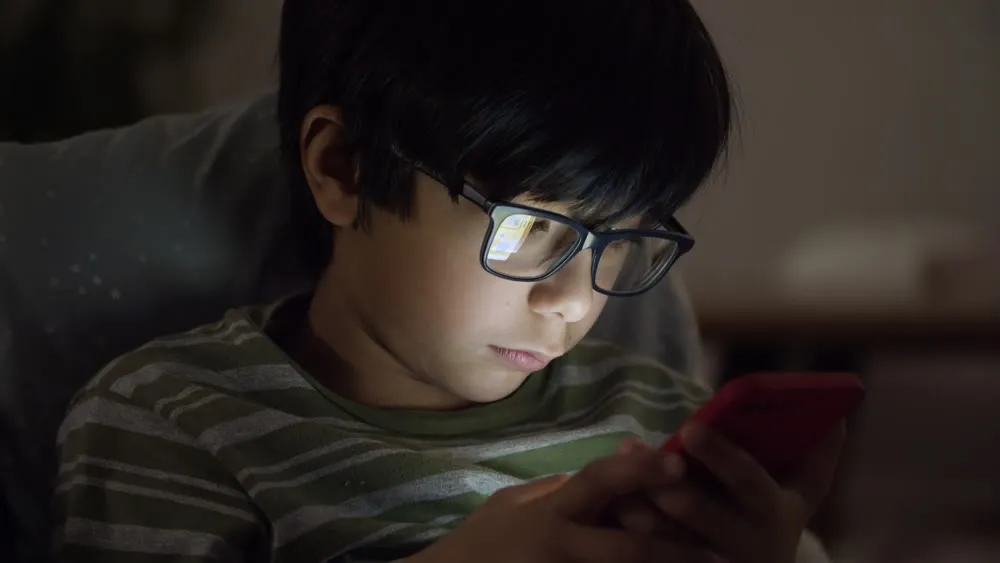
Offer a route back: “You can tell me without fear, and we will look for help.” Do not collect sensitive details to submit to another app. Obtain qualified human support for threats or persistent distress, and urgent assistance for immediate danger. The image is illustrative, not evidence of a particular person's AI use.
Sources and review
Sources reviewed: 26 October 2026. Interfaces and policies may change.
Official CyberSqool accounts
Instagram · Facebook · TikTok · YouTube · X
Illustrative image from the project’s visual materials; it does not depict a documented incident or victim.