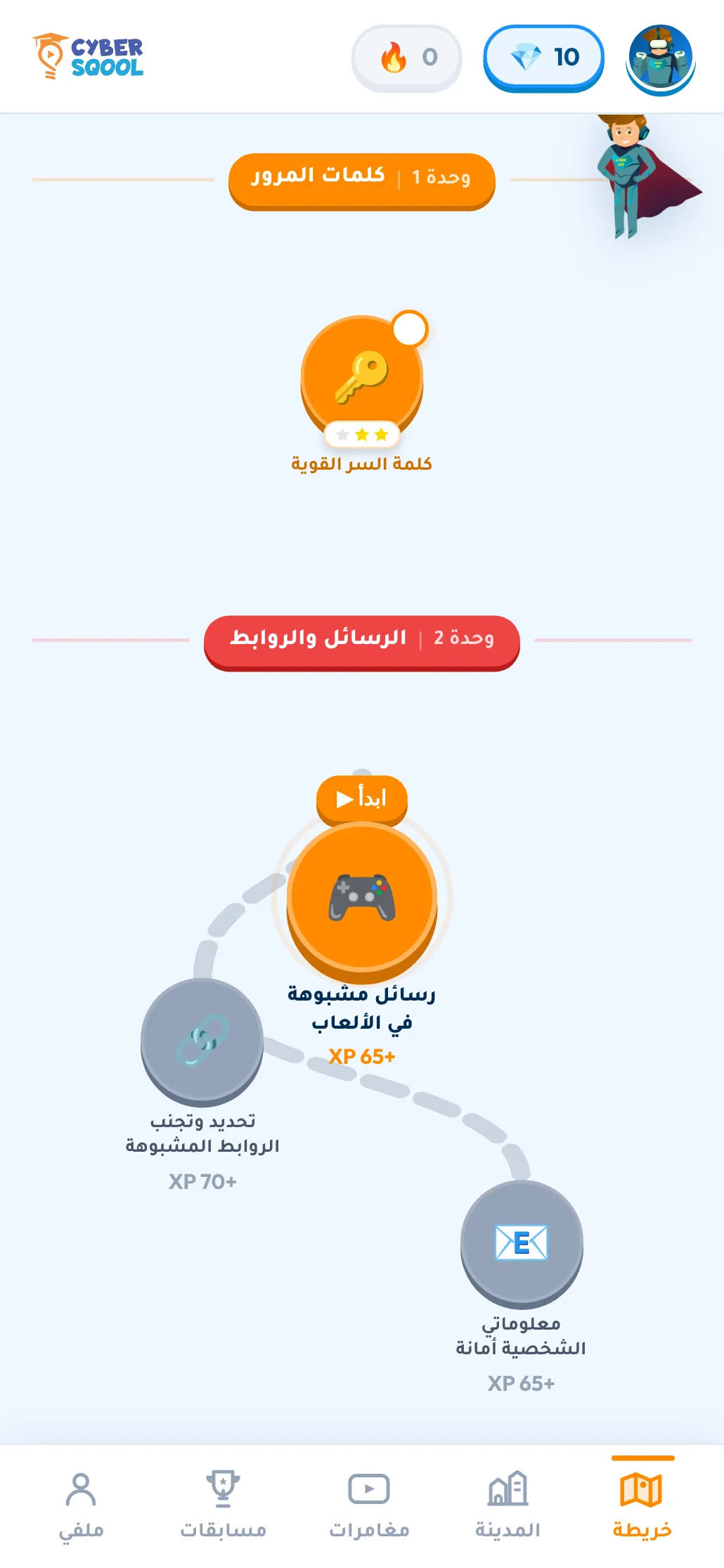
Before adopting a play-based digital safety programme, a school leader needs to see what happens in a real lesson: what pupils learn, what teachers do and how children’s privacy is protected. These questions help a school make a decision grounded in evidence and practical fit.
Start with learning outcomes
Ask the provider to describe the target skills clearly rather than only calling the platform interactive. Do pupils practise decisions in digital scenarios? Do activities move from examples to application? What feedback do pupils and teachers receive? Request a complete lesson and an example of how progress is observed.
Review classroom fit
Ask about preparation time, materials, devices and connectivity, language level and whether a small pilot is possible. Check that the timetable is realistic and responsibilities are clear. Do not assume activities will fit into school routines automatically; agree who delivers them, when and what support teachers receive.
Ask about privacy and safeguarding
Clarify what pupil data is collected, why, who can access it, how long it is kept and how it is deleted. Ask how activities discuss risks without exposing children to harmful content or pressuring them to share personal experiences in front of peers.
Pilot before wider adoption
Set initial indicators: clear instructions, pupil participation, teacher feedback and whether learners can explain a skill in a new scenario. Gather observations, then decide what to adjust. Satisfaction surveys alone do not show that a lasting skill has been built.
Conclusion
A sound adoption decision considers learning goals, feasibility, child protection and a plan to pilot and review. Request clear answers and examples, then discuss them with teachers and the school’s data-protection lead.
Further reading
UNESCO, Guidance for Generative AI in Education and Research: https://www.unesco.org/en/articles/guidance-generative-ai-education-and-research
W3C WAI, Cognitive Accessibility: https://www.w3.org/WAI/cognitive/