As the internet becomes part of learning and daily life, schools need more than a one-off warning. Pupils need progressive practice in protecting personal data, recognising risks and asking for help. Cyber Sqool’s school programme evolves with the needs of primary and middle-school learners.
A school decision that supports digital transformation
Morocco Digital 2030 places digital transformation at the heart of the country’s development ambitions. As technology becomes part of everyday life, schools have a role in helping learners use it safely and responsibly. Government digital policy falls within the remit of the Ministry of Artificial Intelligence, Digital Transformation and Administrative Reform. Connecting this national direction to school practice is an educational perspective; it does not imply government endorsement of any particular programme.
Online safety is more than device settings. It is a set of everyday skills: pausing before clicking, protecting personal information, responding to bullying, checking content and knowing when to ask a trusted adult for help.
Why schools need a plan
A disagreement may start in a group chat and affect the classroom. A photo may be shared without permission, or a pupil may receive a misleading link and not know whom to ask. When school leaders, teachers and families share clear language and steps, it becomes easier to notice a concern and support the child.
A single awareness event can open the conversation, but habits develop through practice. Integrating digital safety into school learning helps pupils apply it to situations they recognise instead of waiting for an incident to prompt a discussion.
Progressive learning for each stage
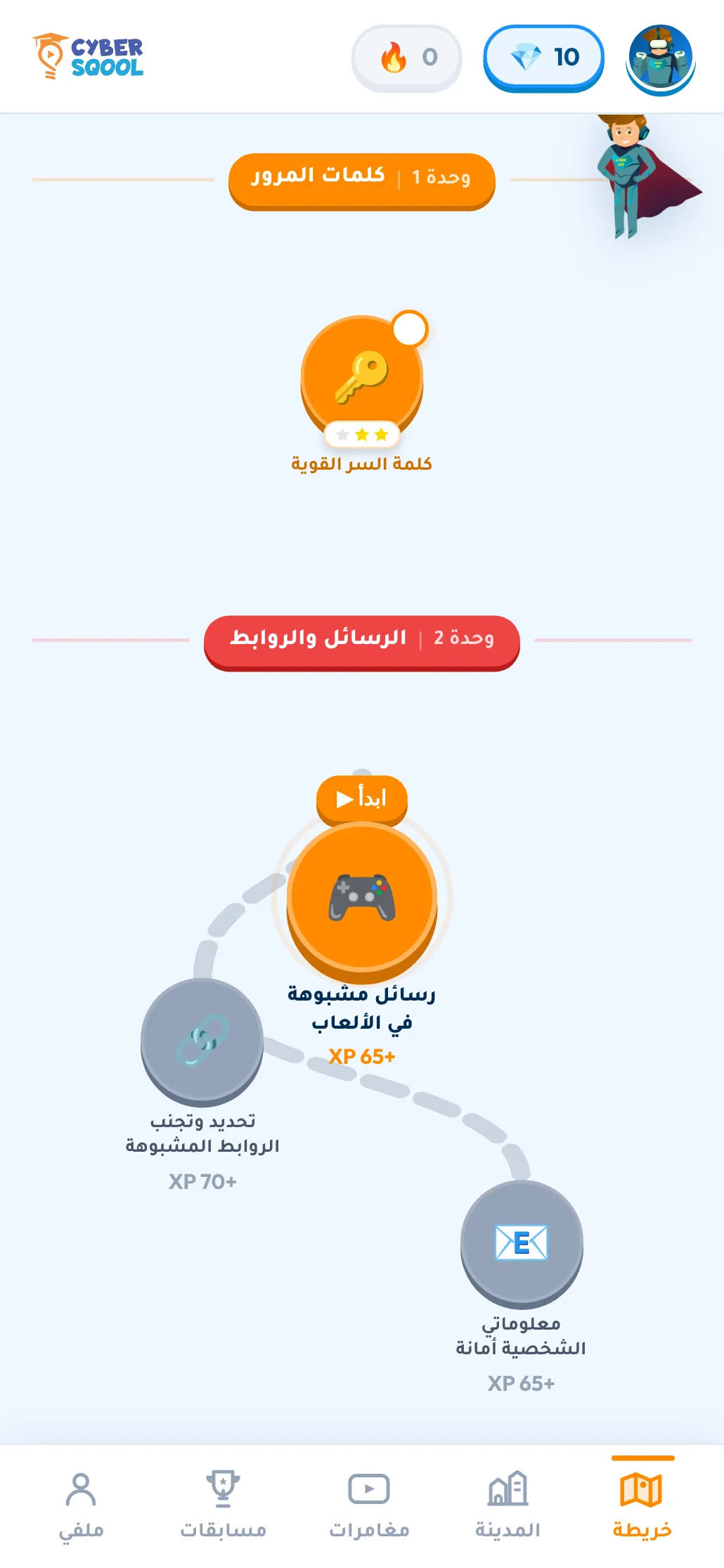
Cyber Sqool has developed its programme to respond to school needs across primary and middle school. In the earlier years, pupils build core habits such as protecting information and communicating responsibly. In middle school, learning addresses more urgent and complex situations. Content can evolve with learners’ needs, school feedback and changes in digital life; its value is not tied to a fixed lesson count.
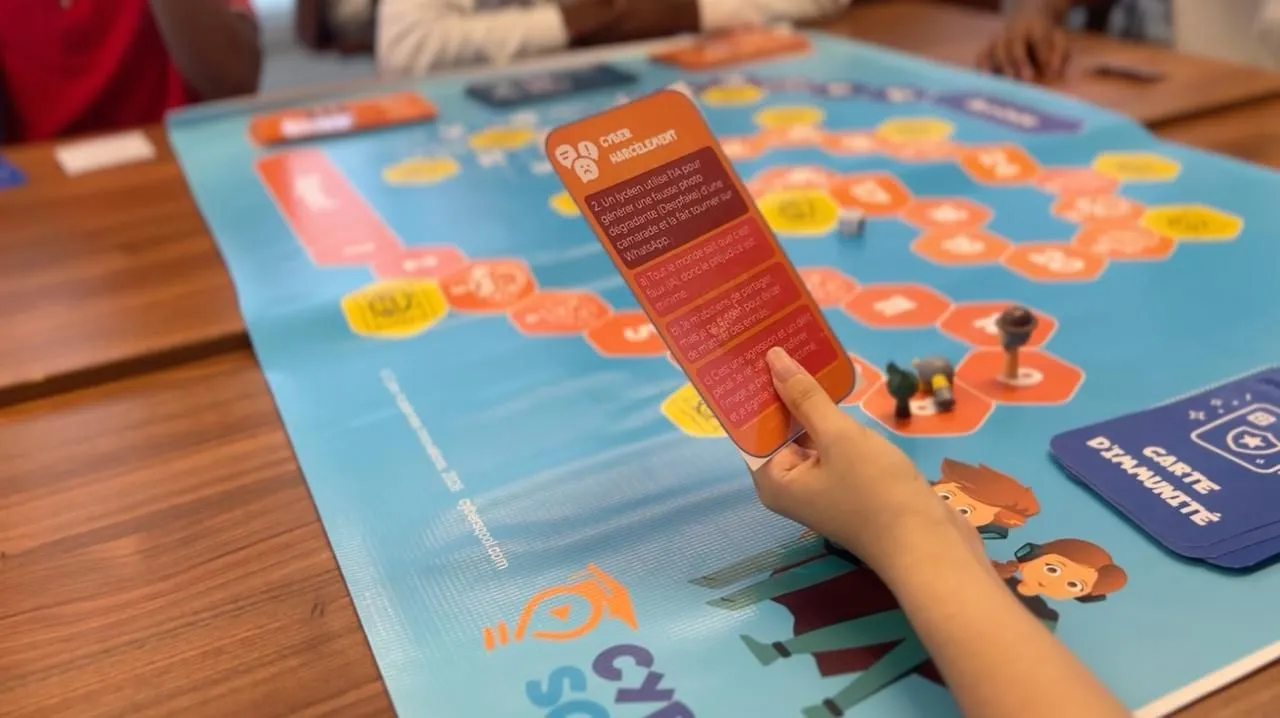
Interactive activities and a teacher guide support practical classroom discussion. Learning tools can help a school notice progress and identify areas where pupils need more support. They support education; they cannot guarantee that every online incident will be prevented.
From an idea to a workable school plan
School leaders can identify a coordinating teacher, participating classes, language and equipment, and a regular time that fits the timetable. The team can then agree how to make learning part of school life and involve families when needed. Clear responsibilities and a route for seeking help turn awareness into an ongoing practice.
The programme brochure identifies partnerships with the Digital Development Agency and the ministry responsible for digital transformation. We describe these as documented in the brochure and do not imply government endorsement of programme outcomes.
What school leaders and families are searching for
Common practical questions include: How can we keep children safe online? How should a school respond to cyberbullying? How do we teach pupils to protect personal data? What can families and schools do to encourage safer device use? Useful first steps include pausing before sharing, protecting privacy, reporting abuse and speaking to a trusted adult.
Learn about the Cyber Sqool school digital safety programme or request a school presentation at contact@cybersqool.com or +212 611 106 915.