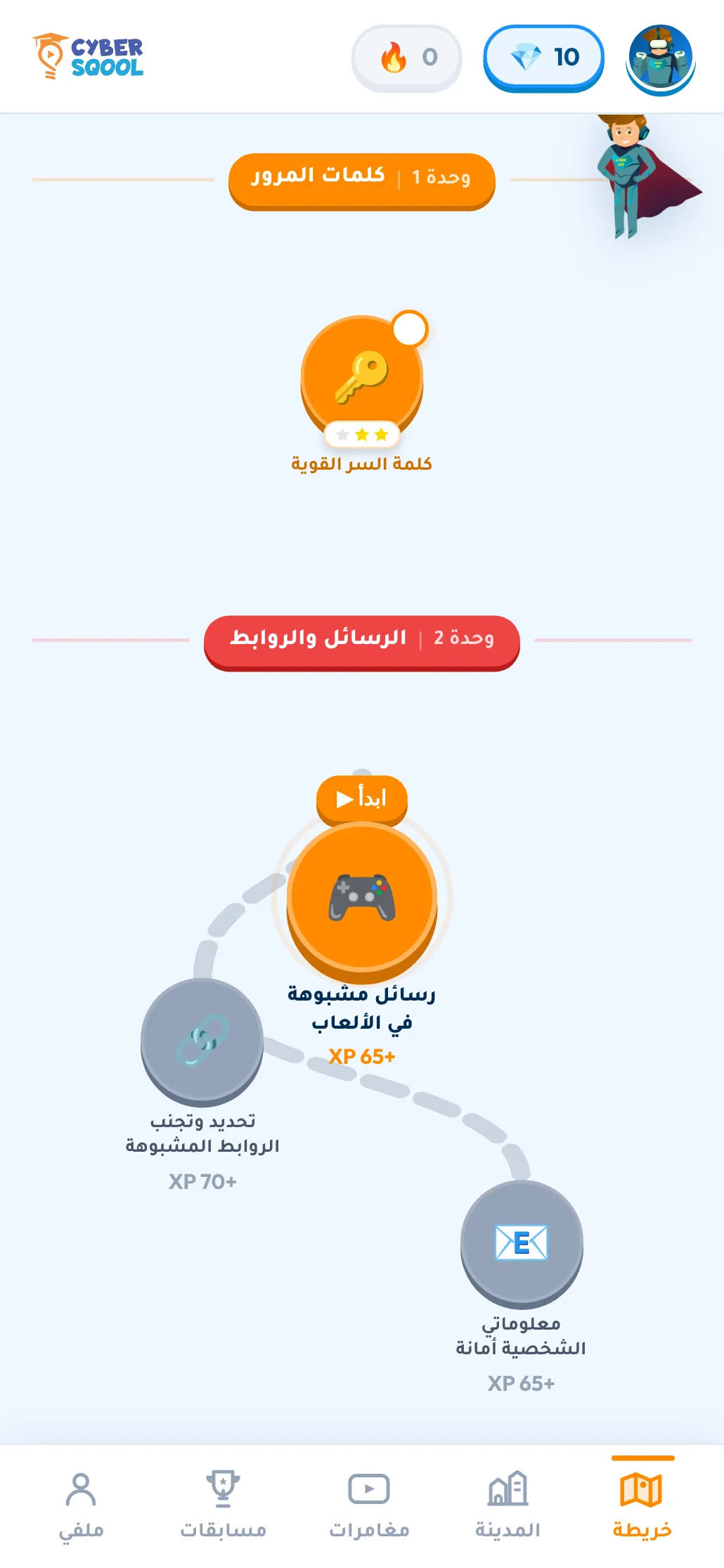
When families ask what a child learns through Cyber Sqool, it is more useful to look at skills and situations than a lesson count. The content addresses topics that can help a child think before sharing, act more safely and ask for help when needed.
Core skills for digital life
Cyber Sqool’s official site lists learning resources on topics such as protecting personal information, safer chatting, recognising some scams, cyberbullying and device protection. These topics help families turn “Does my child know the internet?” into a more useful question: what might they do when a strange message arrives or someone asks for information?
Learn through situations and examples
A skill is more than memorising rules. Children can practise pausing before clicking, checking a source, not sharing a password or verification code and telling a trusted adult when pressured. It helps to explain why they chose an action and try the idea in a new scenario.
The role of families and teachers
Teachers can guide an activity and connect it to classroom life. Families can continue a calm conversation at home without blame. If a child shares a worrying situation, listen and focus on next steps and getting help rather than punishment.
How to assess whether content fits
Check that topics fit the child’s age and language, ask how examples are presented and what teacher support is available. Resources may change, so consult the official website for a current description and discuss school or family needs with the team.
Conclusion
The value of digital safety education lies in helping children make and explain safer choices across situations. Families and schools can reinforce the same habits through supportive conversation and practice.
Official sources
Cyber Sqool website: https://www.cybersqool.com/about
Course catalogue: https://www.cybersqool.com/courses